




How HiCNC Robots Power a Smart Factory Inside Changan’s New Energy Vehicle Plant
China’s automotive industry just hit a milestone for domestic robotics. Inside Changan Automobile’s smart factory — the production line behind the Avatr 07 — nearly 1,000 robots now work side by side on a fully automated assembly floor. Among them, HiCNC robots have been deployed at mass-production scale, marking the first time a Chinese-made robot brand has achieved large-scale deployment inside a major automaker’s plant.
This case study breaks down exactly where and how HiCNC robots are used across Changan’s smart factory floor — from weld-spot inspection to automated bolt tightening — and what this kind of deployment signals for manufacturers evaluating robotics partners for their own smart factory upgrades.
Key Takeaways
- HiCNC robots are deployed across nearly 1,000 units inside Changan’s smart factory, marking the first mass deployment of a domestic Chinese robot brand at a major automotive OEM.
- The robots operate across 11 distinct workstations, covering welding inspection, adhesive application, arc welding, polishing, code scanning, parts handling, bolt tightening, primer coating, sled cleaning, casting inspection, and intelligent charging.
- Key technical capabilities include 7-axis robot coordination with sub-1mm linkage precision, real-time defect detection via 3D and 2D vision systems, and 24/7 unmanned operation on time-critical tasks like adhesive dispensing.
- HiCNC has used this deployment to build a standardized product and technology platform, combining safety-focused and user-friendly design for new energy vehicle (NEV) manufacturing.
Why This Smart Factory Deployment Matters
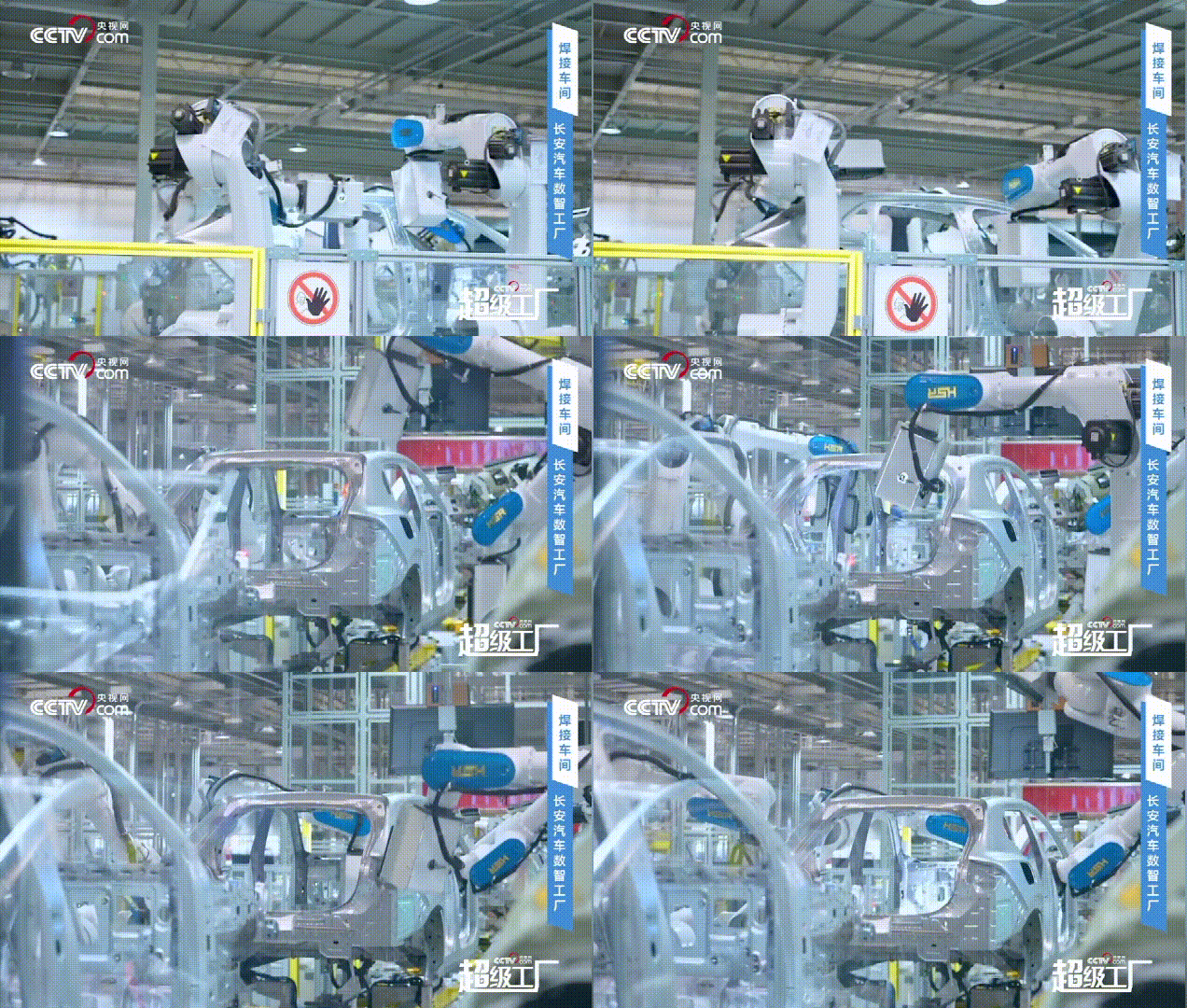
Recently, China Central Television’s documentary series Super Factory toured Changan Automobile’s smart factory to document how the Avatr 07 comes together on the line. What viewers saw was a sprawling, highly automated production environment — long, intricate robotic lines running in tightly choreographed sequence.
The standout detail: nearly 1,000 robots are active across the plant, and a meaningful share of them are HiCNC units running in full production mode. For a domestic Chinese robotics brand, achieving mass deployment inside a major automotive OEM’s manufacturing line is a significant proof point — it demonstrates that homegrown robotics technology can meet the precision, reliability, and uptime standards required in high-volume vehicle production.
Below is a workstation-by-workstation look at how that plays out on the factory floor.
11 Robotic Workstations Powering the Smart Factory Floor
1. Weld-Spot Inspection Station
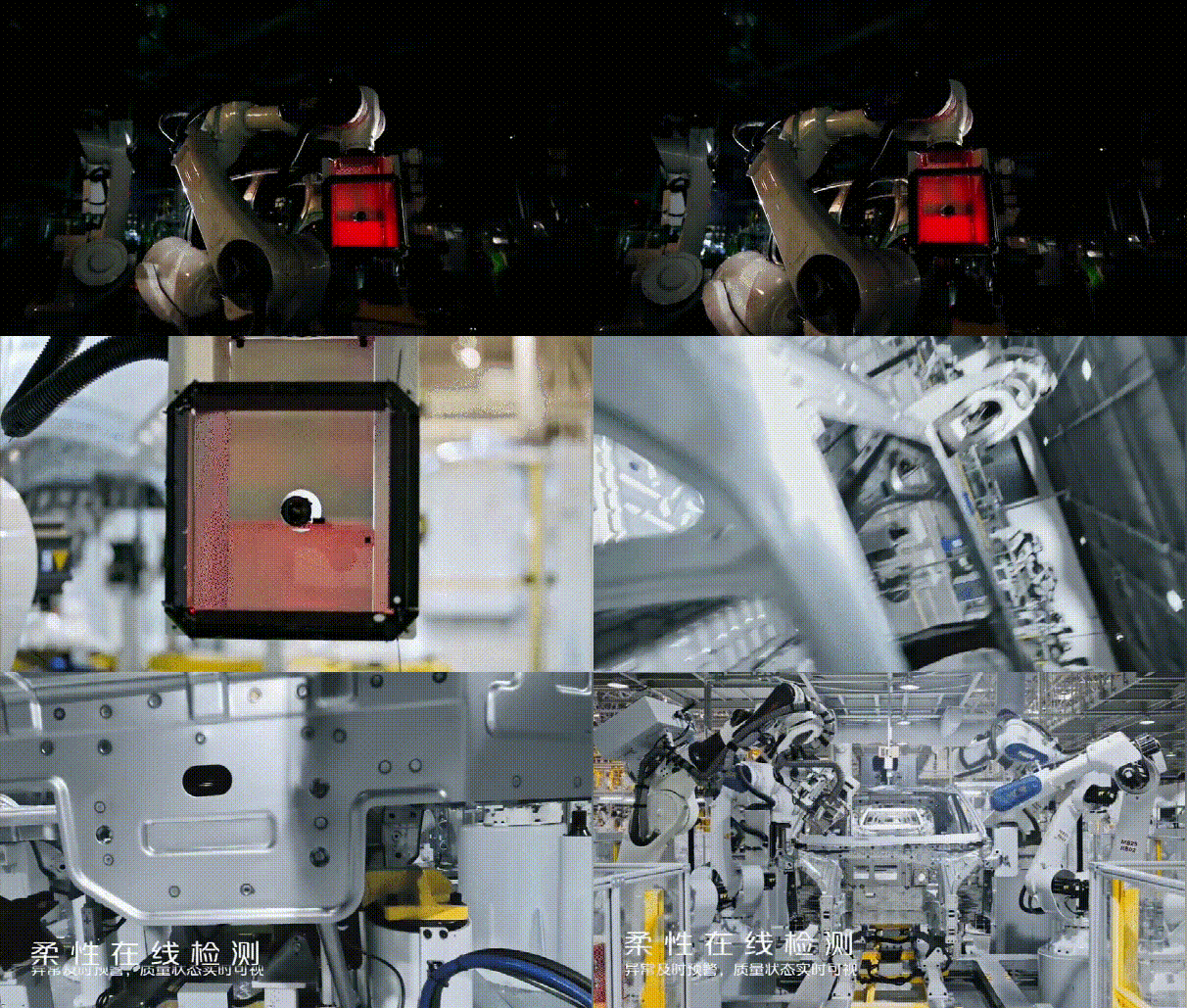
High-resolution vision cameras inspect weld spots after welding is complete. The system identifies weld shape, size, position, and defects such as cracks or slag inclusions, then automatically compares results against preset quality standards to confirm whether each weld meets specification — helping ensure the strength and reliability of the welded structure.
2. Side-Panel Adhesive Application Station
This station highlights four core capabilities of HiCNC’s robotic gluing system:
- Precision control: A high-precision motion control system paired with a dedicated robotic gluing process ensures accurate trajectory and speed control for even, precise adhesive coverage.
- Automatic recognition and adjustment: Connected to the main line’s PLC, the robot automatically identifies gluing requirements for different vehicle models and positions, adjusting parameters such as adhesive volume and bead width in real time.
- 24/7 stable output: The robot runs continuous gluing operations around the clock without manual intervention, keeping output consistent and efficient.
- Reduced waste and environmental impact: By optimizing path and speed during application, the system controls adhesive volume and coverage area, cutting material waste and environmental impact.
3. Body Arc Welding Station
High-precision motion control combined with optimized welding parameters delivers fast, clean arc welds with minimal spatter and smoke. Working in coordination with the welding power source, the system monitors weld status in real time to maintain process safety and consistency.
4. Dust Removal and Polishing Station
Integrated vacuum and polishing tools clean and smooth the vehicle body surface. The robot controls polishing pressure and path with precision to deliver a consistently flat, smooth finish.
5. Body QR Code Scanning Station
A vision recognition system rapidly reads QR codes on the vehicle body and syncs the data with the backend database, enabling automatic recording and traceability of vehicle information throughout production.
6. Battery Cover Loading and Unloading Station
Equipped with a 7th axis for full 7-axis robot coordination, this station achieves linkage precision within 1mm. The robot identifies battery covers of different specifications and models, then automatically adjusts its grip to complete loading and unloading — fully automating this step of battery cover handling.
7. Front and Rear Axle Bolt Tightening Station
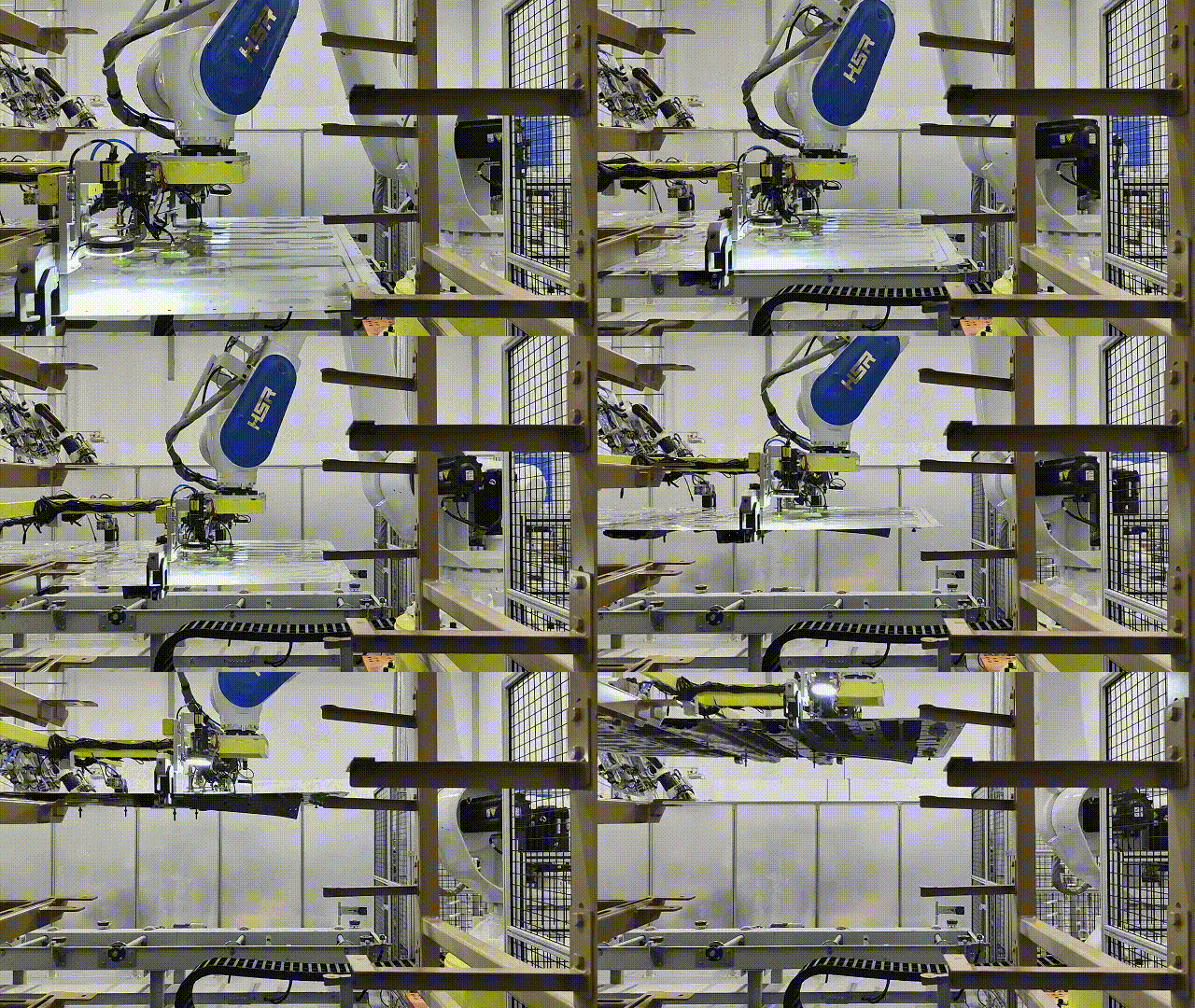
An automated torque-tightening system precisely controls bolt torque and angle. The robot identifies different vehicle body types and bolt specifications, automatically adjusting tightening parameters accordingly. Working in coordination with the tightening tool, it monitors status in real time to ensure reliable, consistent bolt tightening.
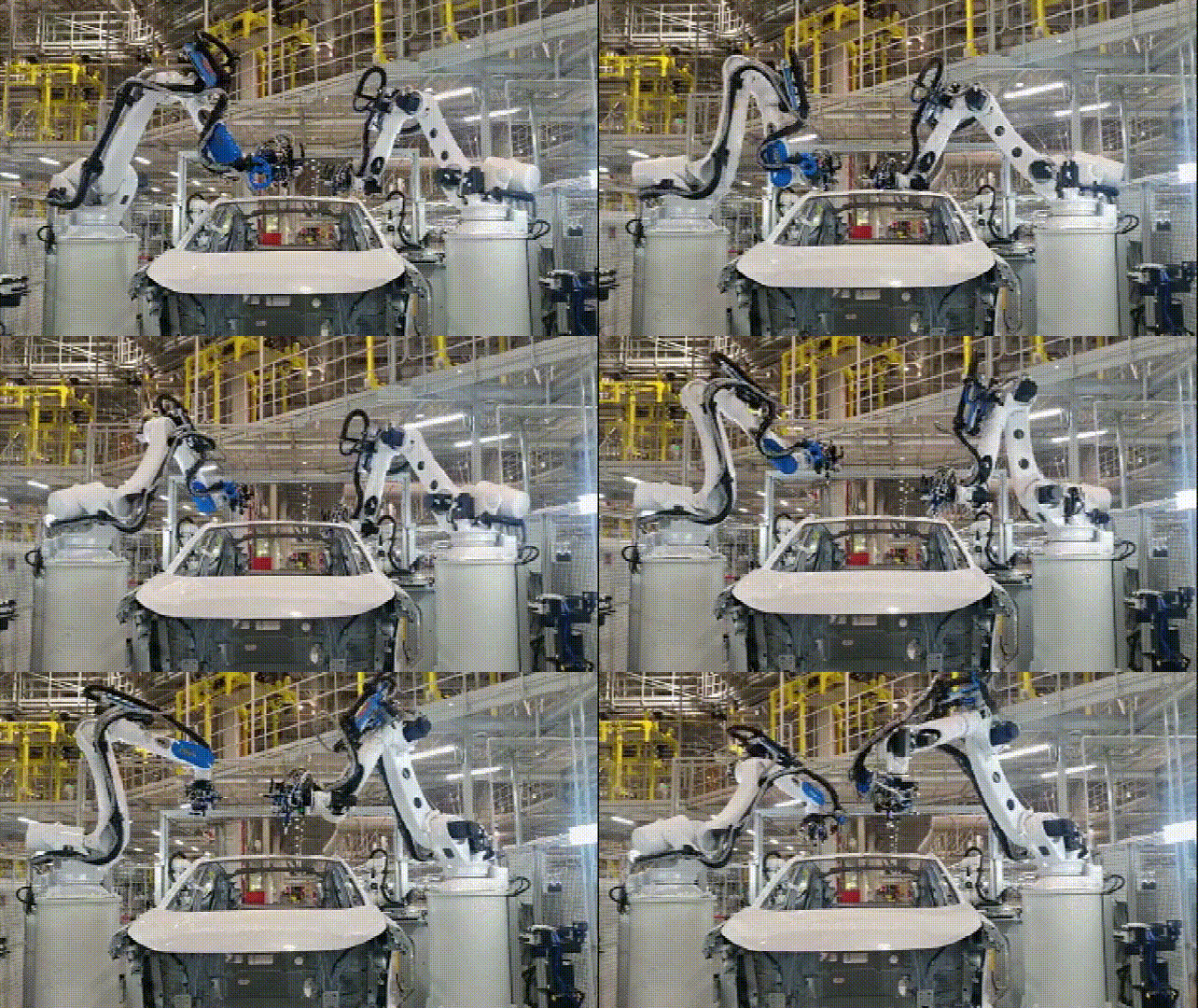
8. Panoramic Sunroof Primer Coating Station
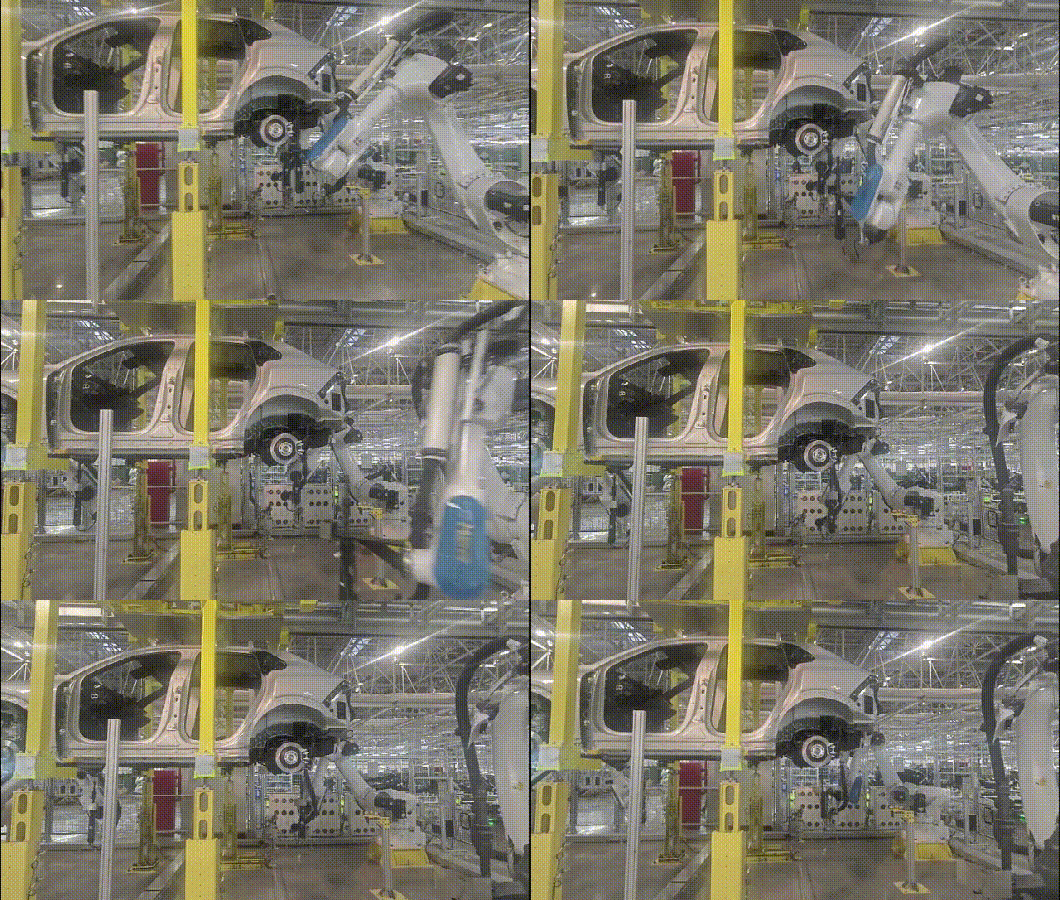
The robot applies an even layer of primer to panoramic sunroof components. Using a 3D camera, it identifies different vehicle body models and the shape and size of sunroof parts, then automatically adjusts spray trajectory and parameters. A 2D camera simultaneously checks primer-line width and uniformity, automatically flagging and logging any quality issues in real time.
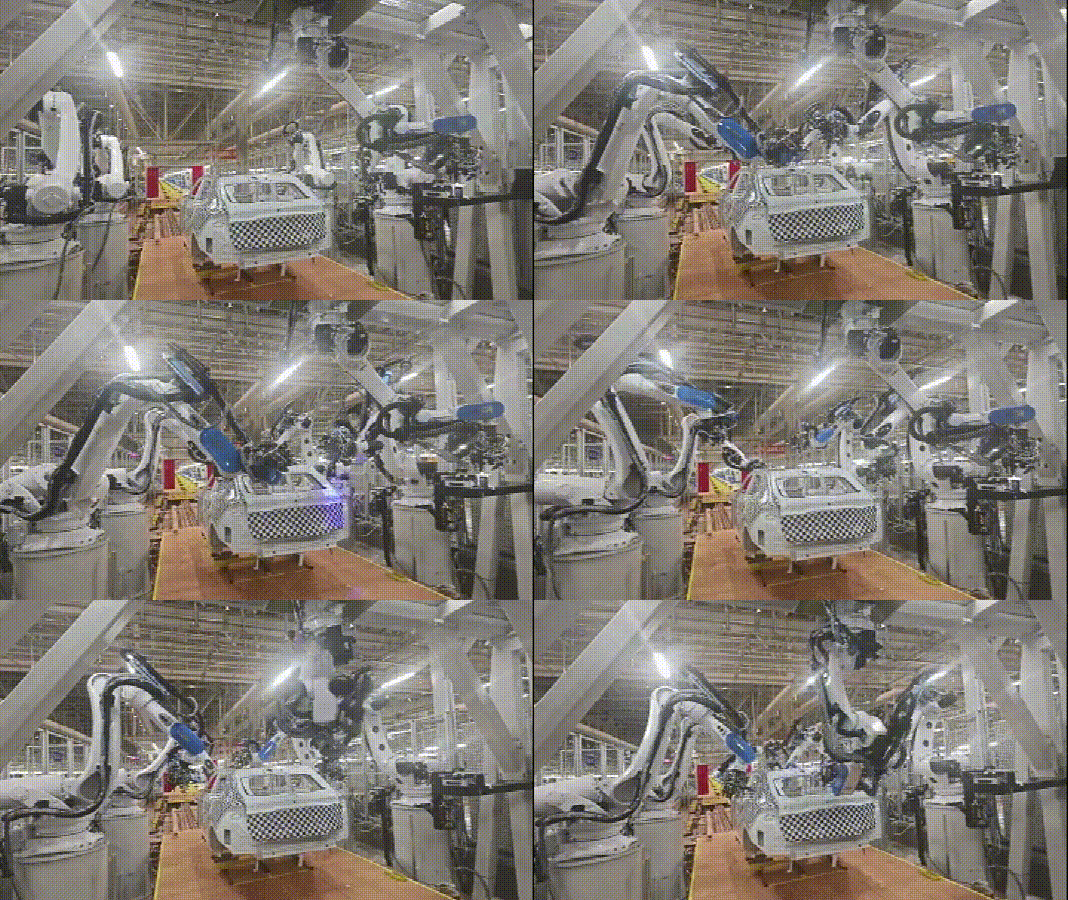
9. Skid/Sled Cleaning Station
An integrated cleaning system with advanced control technology precisely manages the movement and force of cleaning equipment, ensuring a stable, even, and fully automated sled-cleaning process.
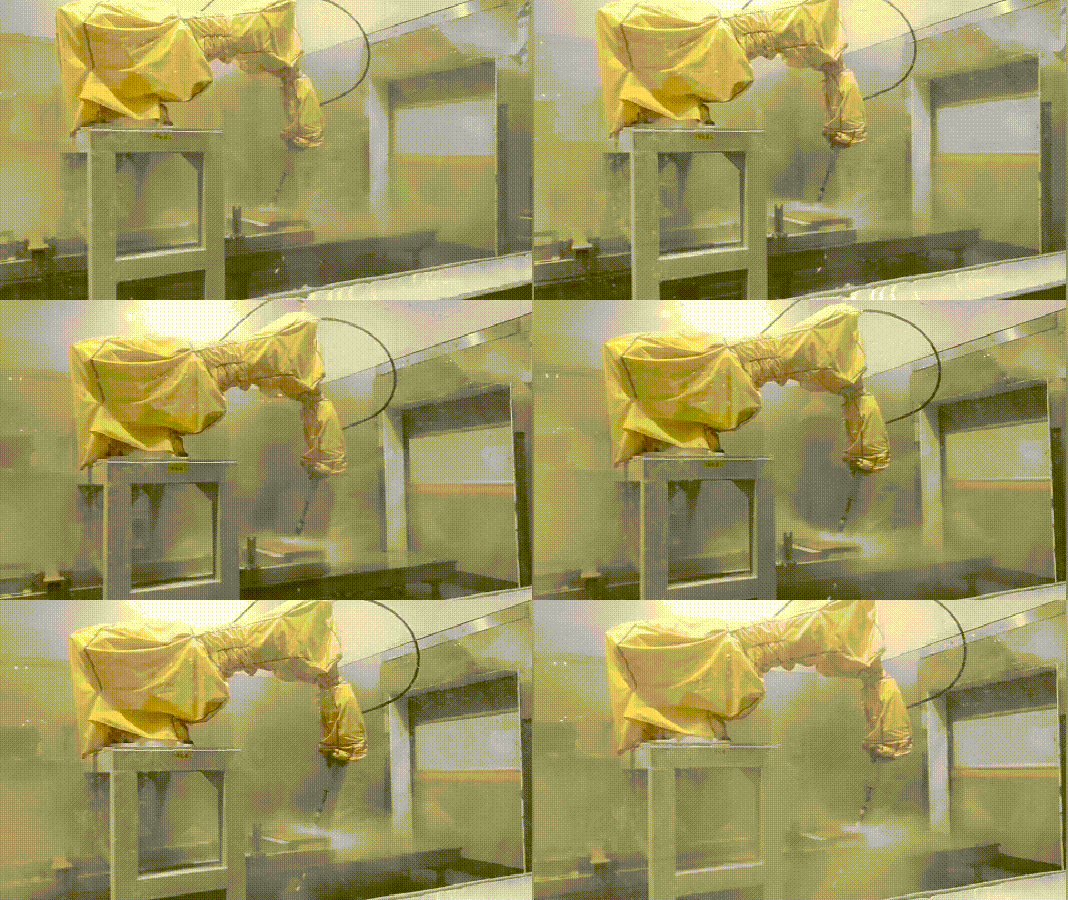
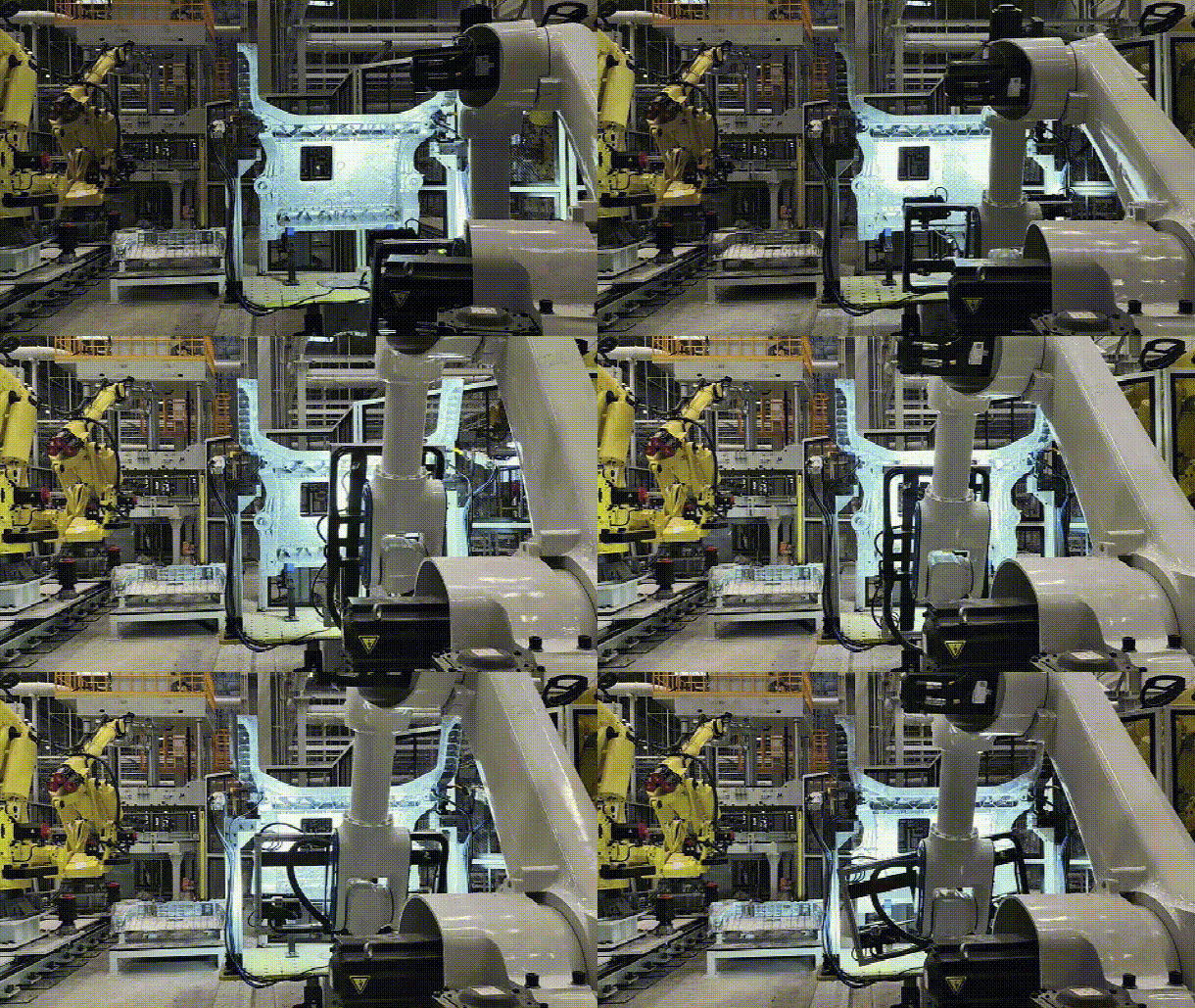
10. Casting Blue-Light and Surface Defect Inspection Station
Paired with an advanced blue-light scanning system and machine vision, this station accurately detects internal defects, dimensional deformation, and surface flaws in die-cast components — helping safeguard part quality before they move further down the line.
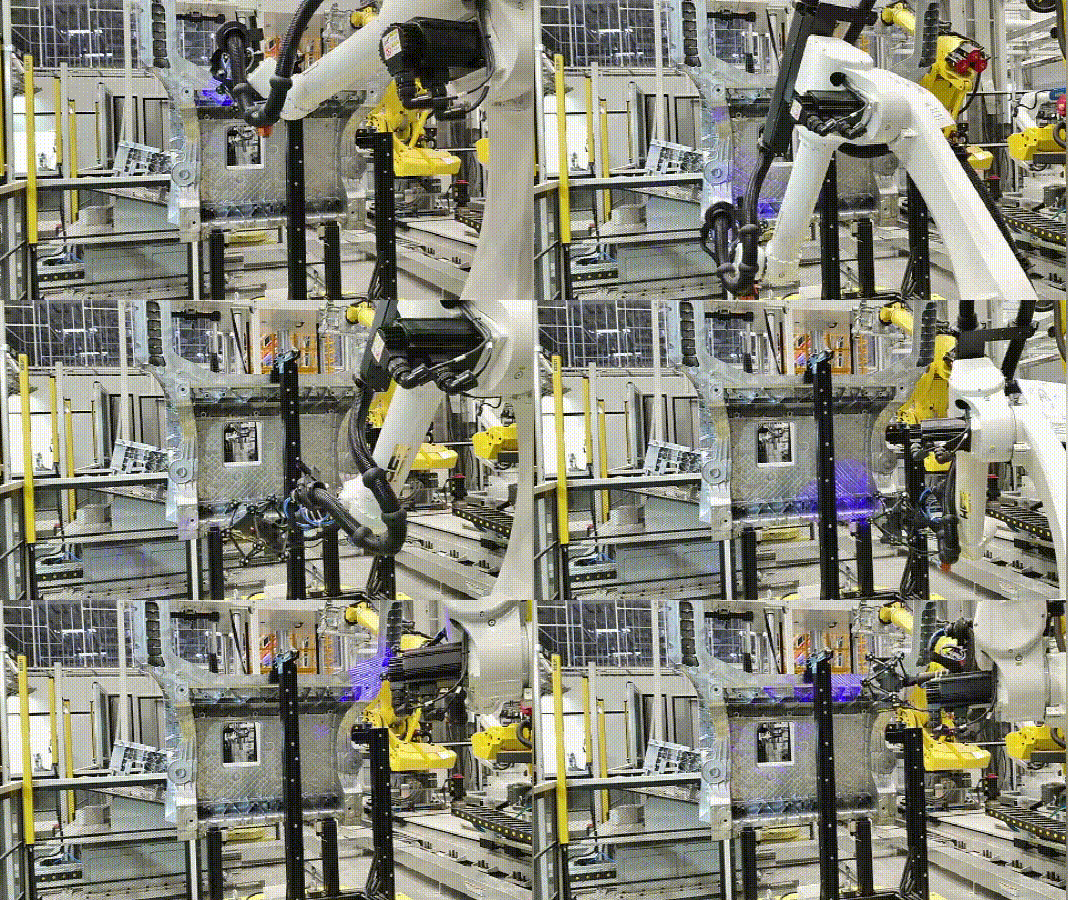
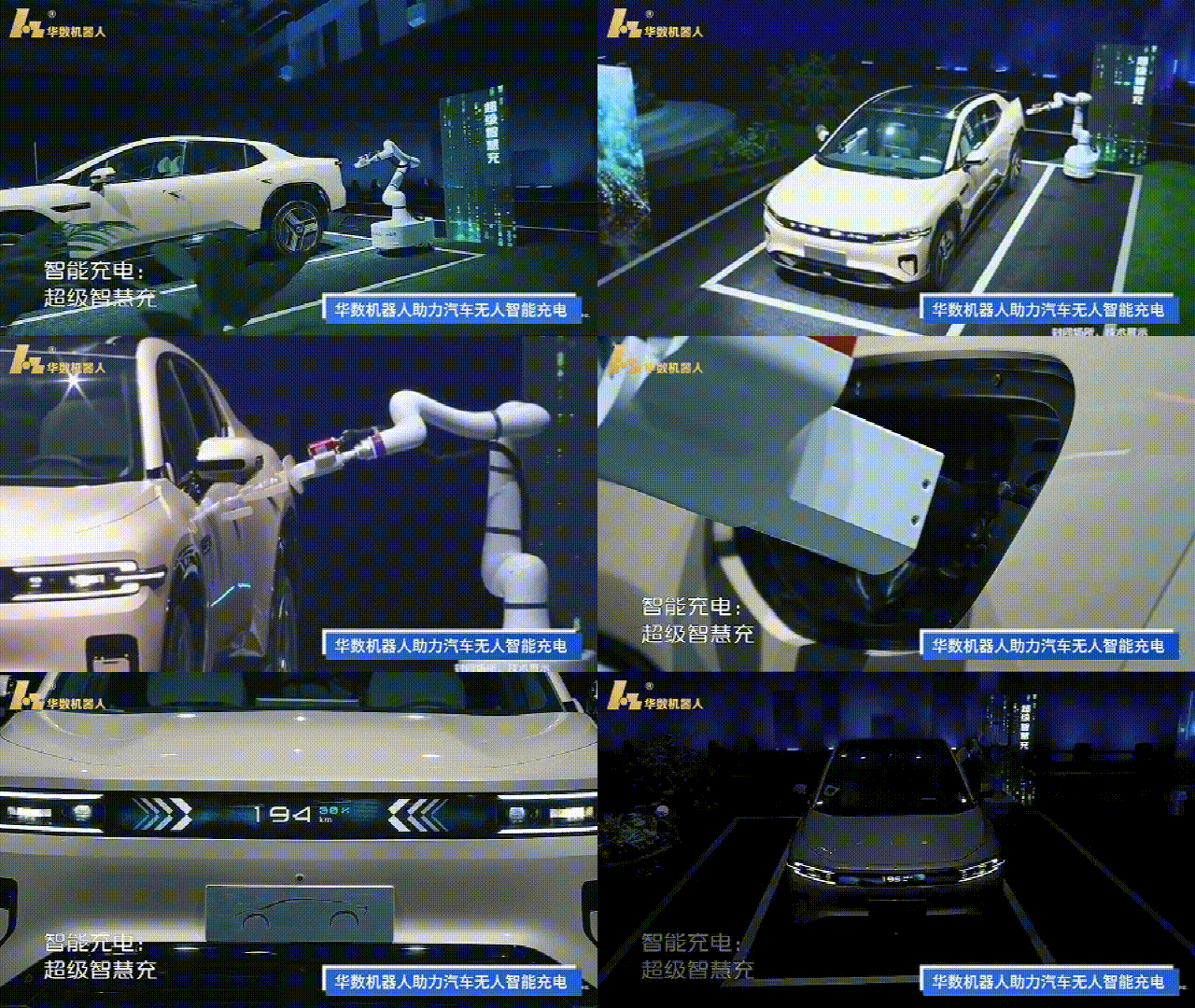
11. Intelligent Charging Robot
Beyond deployment across the four core manufacturing process areas, HiCNC has also co-developed intelligent EV charging robot technology with Changan Automobile, extending the partnership into vehicle charging applications.
Why Manufacturers Choose HiCNC Robots for Smart Factory Automation
Through its deployment inside Changan’s smart factory, HiCNC has built out a standardized product and technology platform that combines safety-focused design with ease of use — giving manufacturers a competitive, ready-to-scale automation solution.
Looking ahead, HiCNC plans to continue focusing on the new energy vehicle sector, deepening its application technology across multiple automotive manufacturing scenarios to deliver more efficient, stable, and intelligent solutions — supporting the broader growth of the new energy vehicle industry.
Frequently Asked Questions
What does HiCNC’s deployment inside Changan’s smart factory involve?
HiCNC robots operate across 11 workstations in Changan’s smart factory, covering tasks such as weld-spot inspection, adhesive application, arc welding, polishing, QR code scanning, battery cover handling, bolt tightening, primer coating, sled cleaning, casting inspection, and intelligent EV charging.
Why is this deployment significant for the robotics industry?
It marks the first time a domestic Chinese robot brand has achieved mass-production deployment inside a major automotive OEM’s manufacturing line, demonstrating that homegrown robotics can meet the precision and reliability standards required for high-volume vehicle assembly.
What level of precision do HiCNC robots achieve in this deployment?
At the battery cover loading and unloading station, HiCNC robots use 7-axis coordination to achieve linkage precision within 1mm, while vision-based inspection stations identify defects down to fine details like cracks and slag inclusions in welds.
Can HiCNC’s smart factory robotics be applied beyond automotive welding and assembly?
Yes. Beyond the four core vehicle manufacturing process areas, HiCNC has also co-developed intelligent EV charging robot applications, and the company continues to expand its standardized robotics platform across multiple new energy vehicle manufacturing scenarios.
Interested in how HiCNC’s smart factory robotics solutions could support your production line? Explore HiCNC’s robotics product range or contact our team to discuss your automation needs.

